You're Not Alone In How This Feels
Before I ever became a postpartum doula, I had years of experience caring for babies and young children. I’d long been considered the “baby expert” among friends and family, and caring for little ones felt natural to me.
But once I became a parent, I learned firsthand that nothing prepares you for the emotional depth and tenderness of postpartum.
I quickly learned that postpartum brings a mix of challenges—feeding worries, unpredictable sleep, emotional ups and downs—the kind that leave you wondering if you’re doing anything “right,” even when you’re pouring your whole heart into it.
Even with a loving family, new parents often realize the support they need most — understanding, reassurance, and help with the daily tasks that easily pile up—doesn’t always show up in the way they hoped.
That experience stayed with me.
It’s one of the reasons I became a postpartum doula—not to center my own story, but to ensure that you never feel alone in yours.
And today, I want to share gently and honestly why modern postpartum feels so hard — and what can truly make it easier.
1. We’ve Lost the Village — and the Gentle Guidance That Comes With It
For generations, new parents raised babies within community. There were hands nearby to help, reassure, and offer quiet wisdom. Today, many parents go home and immediately become the entire village themselves.
Without someone to softly say,
“Your baby is showing tired cues.”
or
“This is normal—you’re doing beautifully,”
The overwhelm sets in quickly.
A gentle step to ease this: tune into one cue at a time.
Choose one thing to observe today—hunger cues, early tired cues, or signs of overstimulation. Slowing down makes your baby’s communication feel clearer and less confusing.
✨ If you want guidance with newborn cues and creating a flexible daily rhythm, my free guide "Overwhelmed to Empowered" walks you through it step-by-step.
Click here to read.
2. Family Dynamics Add Another Layer of Emotion
Every parent carries their family story into postpartum—and those emotions often intensify after the birth of a baby.
Some parents have loving relatives yet still feel judged, overwhelmed by unsolicited advice, or misunderstood when it comes to what they really need.
Others may be navigating postpartum without the parents or support people they expected to lean on—because of loss, distance, or complicated relationships.
These dynamics can stir up:
- grief
- longing
- disappointment
- anxiety
- feeling unseen or unsupported
Postpartum amplifies emotions that were already present. And all of them deserve compassion, space, and gentle support.
3. Newborn Cues Are Subtle — And No One Teaches You What They Mean
Babies communicate constantly, but their cues are incredibly nuanced. Hunger, tiredness, overstimulation, and discomfort can all look similar in the early weeks.
Missing cues (which every parent does) can lead to overtiredness and difficult settling— not because you’re doing anything wrong, but because no one taught you this language. This is another big reason why having that village of other women to learn from and gain reassurance is so important during this tender time.
What helps: follow a flexible rhythm, not a rigid schedule.
A gentle framework like E.A.S.Y.
(Eat → Activity → Sleep → You-Time)
provides a predictable flow without pressure. It helps you anticipate what your baby needs next, reducing overwhelm and supporting healthier sleep patterns naturally.
✨If you’d like help understanding your baby’s cues and creating a simple, flexible rhythm that supports calmer days and better sleep,
my free
guide
Overwhelmed to Empowered walks you through it step-by-step.
4. Newborn Sleep Is Supposed to Be Messy
Despite what social media suggests, newborn sleep is not supposed to be predictable or consistent. Their bodies and brains are still developing, and their nervous systems rely heavily on closeness and frequent waking.
So if your baby’s sleep feels chaotic… that’s developmentally normal.
What helps: keep sleep simple
- A calming 2–3 step routine
- Watching for early tired cues
- Allowing soothing without guilt
- Using a flexible daily rhythm rather than strict timing
✨
If you’d like gentle guidance on reading sleep cues and creating a flow that supports better rest, my free guide
Overwhelmed to Empowered is a wonderful place to start.
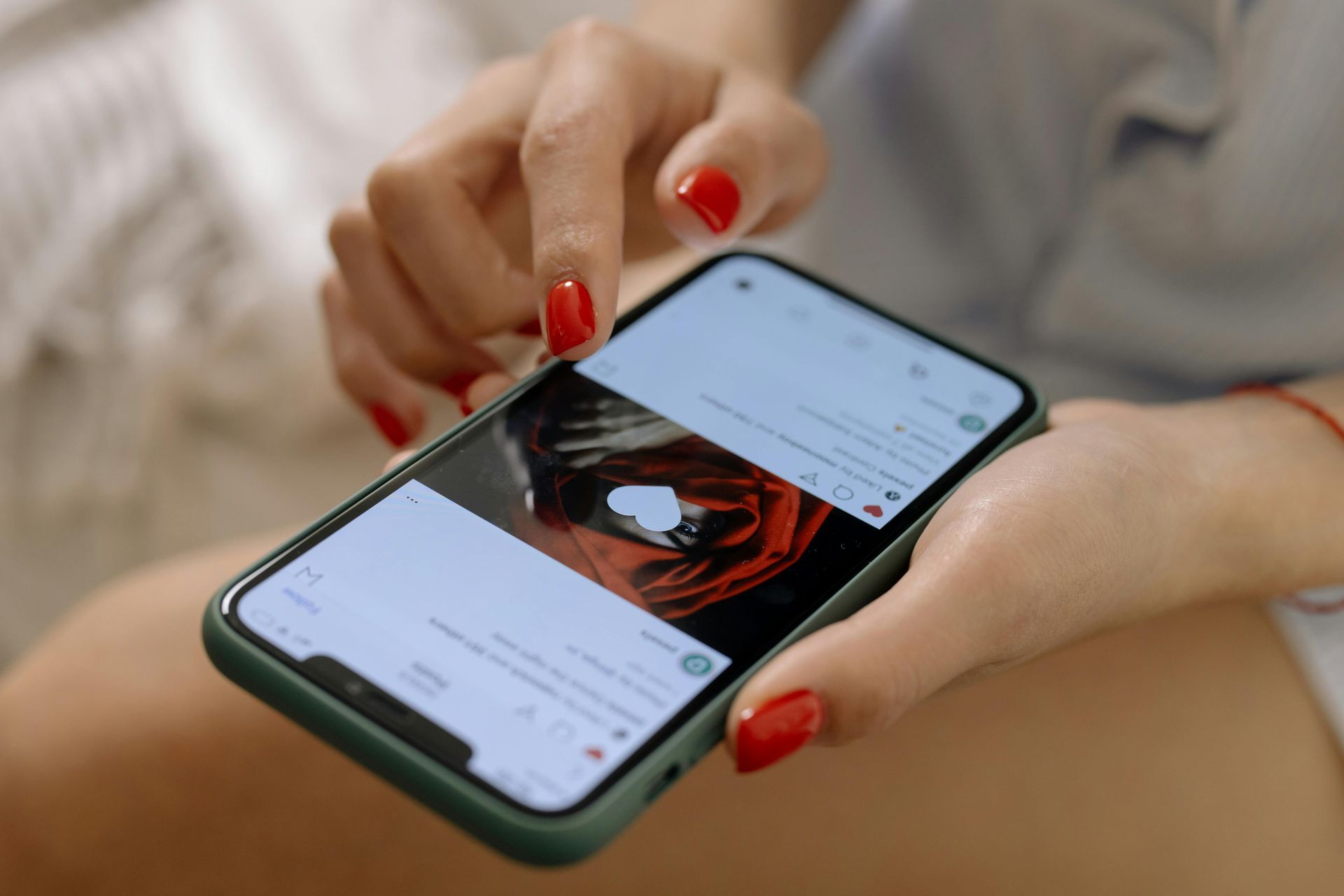
5. Social Media Makes Postpartum Feel Harder —Not Easier
In the quiet, exhausting moments of postpartum, scrolling can feel comforting… until it becomes a rabbit hole.
Suddenly, you’re comparing your real, raw day to someone else’s curated moment:
- babies who nap perfectly
- parents who seem endlessly patient
- aesthetic homes
- unrealistic schedules
- sleep advice that contradicts everything else you’ve seen
And the truth is: much of what parents read online is not based on facts, evidence, or real newborn development.
This misinformation fuels anxiety, doubt, and confusion. It disconnects parents from their instincts and creates expectations that no real baby could meet.
A gentler relationship with information:
- unfollow accounts that increase stress
- avoid night-feed scrolling
- stick with trusted, evidence-based voices
- seek personalized guidance when you feel unsure
This is where postpartum doula support becomes deeply valuable—grounded, individualized, and rooted in real developmental understanding, not trends.
6. Real Connection Changes Everything In Postpartum
Connection is one of the most powerful supports in postpartum—and it doesn’t have to look just one way.
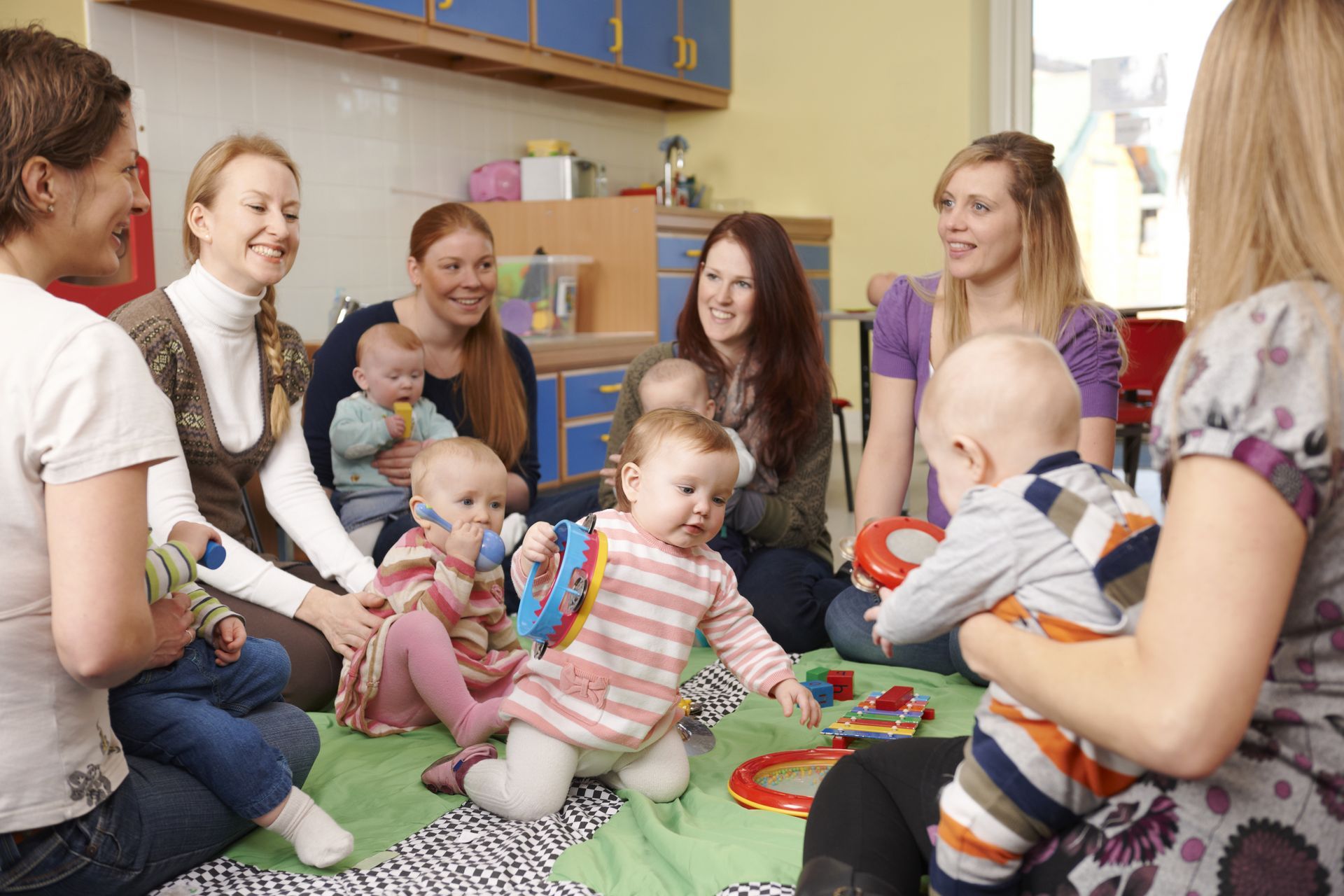
For some families, connection happens through in-person spaces like mom groups, parent baby classes, or community programs. For others, especially in the early weeks when leaving the house feels daunting, connection may look like consistent, trusted support from someone who understands postpartum and newborn behavior.
Being around other new parents — whether in person or through intentional, relationship-based support — provides:
✨ Validation
You quickly learn your baby is not the only one doing these things.
✨ Emotional relief
Hearing “me too” dissolves shame and fear.
✨ Friendship
Mom friends become anchors in this season.
✨ Nervous system calm
Humans regulate best in community—not isolation.
Real support might include:
- mom or parent support groups
- mommy-and-me or parent-baby classes
- library baby programs or community circles
- lactation or feeding support groups
- In-person or virtual postpartum doula support, offering personalized guidance, reassurance, and emotional care, right where you are
What matters most isn’t which type of support you choose, but that you don’t have to navigate postpartum alone. Support can look different for every family—and it can change over time. Even one steady, trusted source of guidance and reassurance can make this season feel lighter and more manageable.
Postpartum isn’t meant to be navigated alone —and it also isn’t meant to feel overwhelming.
You deserve support that is warm, personalized, evidence-based, and free of judgment. Support that helps make sense of what’s happening, trust your instincts, and feel steadier as your baby grows and changes.
If you’re craving clarity, clarity, reassurance, or simply a space to ask questions out loud, gentle postpartum support can make a meaningful difference—sometimes even in just one conversation.
You deserve to feel supported.
You deserve to feel confident.
And support is here whenever you’re ready.
Whether you're looking for in-person postpartum support, virtual postpartum guidance, or virtual sleep support, I'm here to help wherever you are.